

 qbbc
qbbc Blackjack
 Sabong Games
 Casino Games
 Jueteng
 User Agreement
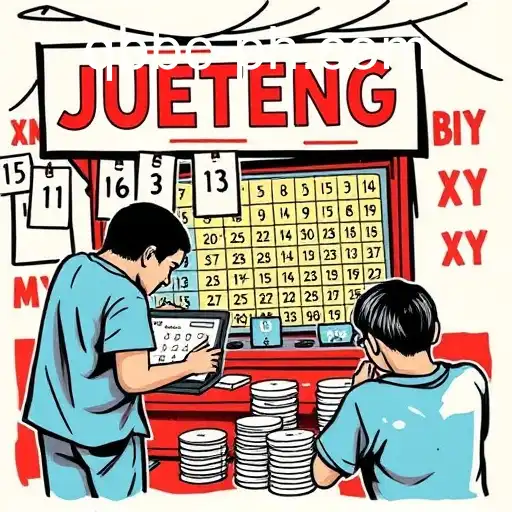
Explore the complexities of jueteng, an illicit yet enduring numbers game in the Philippines, its historical roots, operational dynamics, and socio-economic impacts.
Understanding Jueteng: An In-Depth Look into the Phenomenon
In the landscape of illicit gambling in the Philippines, jueteng stands out both for its popularity and its persistence. A grassroots lottery-like numbers game, jueteng has entrenched itself deeply into the social and cultural fabric of the nation over many decades. While authorities have made numerous efforts to eradicate it, jueteng continues to thrive, partly due to its deeply rooted connections within communities and its ability to adapt to changing circumstances.
What is Jueteng?
Jueteng is a numbers game where bettors choose a set of numbers, typically between one and thirty-seven. These numbers are then placed into a drawing, which is conducted several times throughout the day. Winners receive a considerable payout based on the amounts they wagered and the odds given. Due to its simplicity, jueteng has gained immense popularity among Filipinos, transcending social classes and demographic lines.
The Origins of Jueteng
The history of jueteng can be traced back to the Spanish colonial period. Originally derived from a Cantonese word "juet", meaning "flower", and "teng", meaning "to plant or bet", the game was introduced by Chinese settlers. Over time, it has evolved into a distinctly Filipino pastime, albeit illegal, spreading across regions like Luzon and Visayas. Despite successive government crackdown efforts, jueteng has been resilient, partly due to the involvement of various syndicate operations that ensure its seamless operation within local communities.
How Jueteng Operates
The success of jueteng can largely be attributed to its straightforward mechanics and community-based structure. Small operators hire cobradores (collectors) who canvass neighborhoods and collect bets. These bets are then turned over to kubradors, who manage larger volumes of transactions. At the top of the hierarchy sits the operator, who organizes the draws and ensures pay-outs to the winning bettors. The system's hierarchical nature, from the street-level operations to the gambling lords, makes it difficult for authorities to eliminate.
QBBC: A System Integral to Jueteng
Amidst the seamless operation strategies, the term QBBC emerges as pivotal. Though less known to the general public, QBBC stands for "Quick, Big, and Clean Collections", which is a strategy employed by jueteng operators to optimize bet collection and dissemination processes. QBBC ensures that operational cycles run smoothly, providing a streamlined approach to managing the plethora of bets placed daily.
The Social and Economic Impact
Despite its illegal status, jueteng has a tangible impact on the social and economic ecosystems within many Filipino communities. On the one hand, it provides an income stream for many of the economically disadvantaged who work as collectors or bettors looking to make quick earnings. On the other hand, it contributes to corruption as law enforcement and local officials may receive bribes to look the other way. This complex symbiosis between community reliance and corruption makes jueteng a challenging issue to address.
Attempts at Regulation and Alternative Solutions
Successive Philippine governments have taken various stances on how to address the issue of jueteng. While some administrations have attempted outright prohibition, others have explored the potential of regulation to undercut the black market operations. This has included promoting government-sanctioned alternatives like small-town lotteries (STLs) as a means to provide a legal outlet for gambling, generating revenue for the state while protecting bettors from exploitation.
Although STLs have achieved some degree of success, they have not significantly curtailed the popularity of jueteng. Communities often prefer the trusted and familiar jueteng system where odds might be better, and winning payout may even surpass those of legal games. Furthermore, jueteng boasts a more personalized community approach that often resonates better with grassroots-level participants.
The Role of Technology
The integration of technology into jueteng practices illustrates the game's adaptability. From mobile communication methods for placing bets to digital transactions for payouts, technology is being harnessed to streamline operations. While this further entrenches jueteng's efficiency, it poses additional challenges to enforcement agencies tasked with monitoring and disrupting its operations.
This digitally fueled evolution brings up compelling questions about the future intersection of technology, legality, and local customs within Philippine society. Authorities require innovative solutions to address these issues, potentially leveraging technology to monitor and gradually integrate illegal markets into formal financial systems.
The Road Ahead
Jueteng remains a polarizing subject within the Philippines, situated at the intersection of legality, economics, and social norms. Efforts to eliminate it completely seem to be supplanted by more nuanced strategies that consider the complex socio-economic realities underpinning its popularity. Community education, legal alternatives, and stricter regulatory measures are part of a comprehensive approach needed to solve the issue.
By aligning national policies with community interests, perhaps a middle path can be formulated to address the multifaceted challenges posed by jueteng. Stakeholders must remain acutely aware of the dynamics involved, crafting policies mindful of the balance between regulation and personal freedom. As the nation continues to grapple with jueteng, it's evident that any solution will need to be considerate of its deep-rooted, albeit illicit, cultural footing.


 qbbc
qbbc Blackjack
 Sabong Games
 Casino Games
 Jueteng
 User Agreement
 Breaking News
 Google Sitemap